Why Protein isn’t the Problem (and what is)
It’s not how much protein you eat — but when, how and what supports it
Protein is everywhere right now. But despite the headlines, most people in the UK are not protein deficient. Protein isn’t the problem!
National Diet and Nutrition Survey data show that average protein intake in adults is already above recommended minimums – around 75g per day for men and 63g per day for women. On paper, we’re doing fine. The amount of protein isn’t the problem…
Yet many people still feel hungry soon after meals, snack frequently, or struggle with energy dips and muscle loss over time.
So what’s going on?
the real protein problem
For many people, protein intake is:
This means protein often arrives too late to support appetite, energy and muscle effectively. Research consistently shows that protein works best when it’s distributed evenly across meals, rather than saved for one large hit at the end of the day. Protein isn’t the problem—it’s making sure that we consume it at the right time.
Why Breakfast Is the Biggest Miss
Many common breakfasts provide less than 10g of protein, which is rarely enough to keep us full for long. For example:
Compare that with breakfasts that contain 20–30g of protein, which are associated with better fullness, steadier energy and fewer cravings later on. Practical upgrades:
Eggs plus yoghurt or seeds easily bring breakfast into the optimal range so that protein isn’t the problem. You don’t need a ‘high-protein diet’ – just a more balanced start to the day.
How Much Protein Do We Actually Need?
A useful, evidence-based guideline is around 1.0–1.2g of protein per kg of body weight per day, with higher needs as we age or if we’re more active. For many people, that works out at around 20–30g of protein per meal, across three meals. This approach supports: muscle maintenance, appetite regulation and energy balance without tracking or obsessing.
It’s Not Just Protein Intake – It’s Protein Use
Another overlooked piece is absorption and utilisation. Protein needs the right conditions to do its job. Digestion and use are supported by:
Highly processed diets, low fibre intake, chronic stress and rushed eating can all reduce how effectively protein is broken down and used – even when intake looks ‘good’. This is why protein works best as part of a whole-food meal, not in isolation.

How Do Seeds Play A Part?
Seeds are more than a supporting act when it comes to protein. Several seed varieties used in SUCSEED – including hemp, chia and quinoa – are complete proteins, meaning they contain all nine essential amino acids. This is relatively rare among plant foods.
Seeds also provide:
This means seeds don’t just add protein – they help the protein in your meal work better. Used regularly, SUCSEED becomes a simple way to:
What Doing Protein Well Looks Like
Rather than chasing numbers, focus on:
This is how protein supports health long-term.
Try this this week
Protein isn’t about extremes. It’s about distribution, digestion and nourishment.
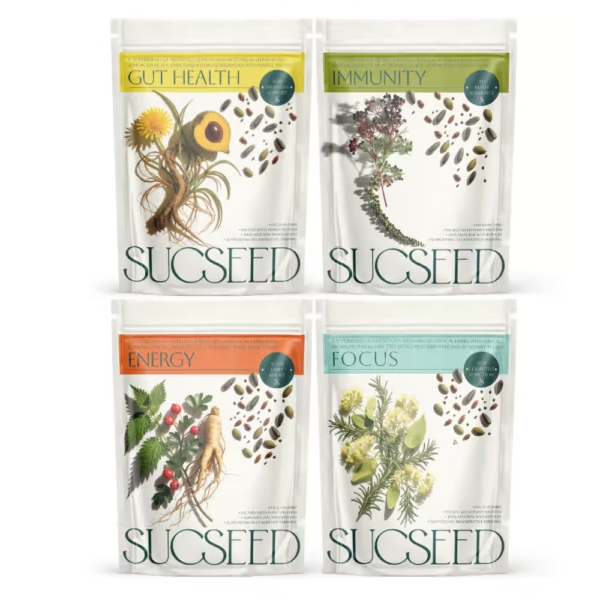

SUCSEED Bundle
Why choose from one of our 4 superblends of nutritious seeds and botanical herbs when you can save 15% on a SUCSEED bundle that includes all four!
- SUCSEED bundle = 4 x 250g pouches
- Benefit from 4 blends: Energy, Focus, Gut Health & Immunity
- 15% discount
- FREE delivery
£44.00