Polyphenols are the plant compounds behind colour, bitterness and that dry catch at the back of a strong cup of tea. There are many hundreds of them, they aren't interchangeable, and the richest sources in the UK diet are already in most kitchens. Here's which everyday foods carry the most.
The short version: polyphenols are a large family of plant compounds behind colour, bitterness and astringency, and no single food covers the range. Herbs, spices, berries, coffee, tea, olive oil and dark chocolate are the densest sources in a typical UK diet.
Our guide to plant points and what nutrition experts mean by food diversity makes the case that fibre isn't one substance. Polyphenols are the other half of that argument, and the less familiar half.
What Are Polyphenols?
Polyphenols are compounds plants make for their own purposes: colour, defence, protection from sunlight. We taste them as bitterness and astringency, which is why strong tea, olive oil, rocket and dark chocolate all have that edge.
You'll often see them labelled antioxidants. That's a simplification of a large and varied group, and the more useful point is how different they are from each other.
Polyphenols Aren't One Substance
There are many hundreds of individual polyphenols spread across dozens of chemical families. The ones in blueberries are not the ones in green tea, which are not the ones in olive oil or rosemary.
So "eat more polyphenols" is hard to act on. Eating a wider range of plants is something you can act on, and it's the same conclusion our pieces on a balanced microbiome and getting more fibre into your diet arrive at.
Thirty different plants a week covers the polyphenols as well as the fibre, without anyone having to count compounds.
Polyphenol Rich Foods in the UK Diet
Ask which foods are highest in polyphenols and most people say berries, when a few everyday items contribute far more across a week.
- Coffee and tea: for many UK adults these are the largest contributors, simply because of how often they're drunk. Black, green and herbal teas carry different ones.
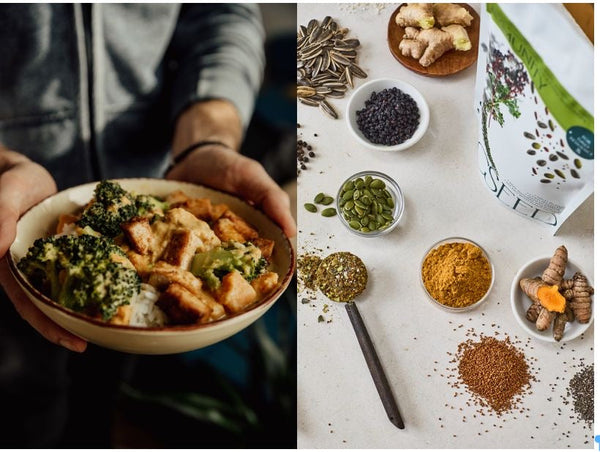
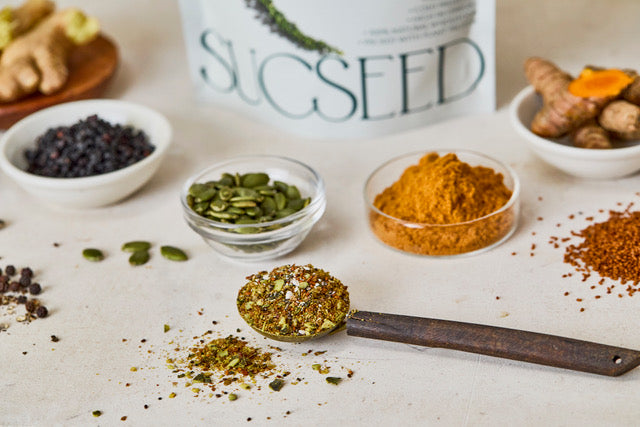
- Herbs and spices: among the most polyphenol dense foods there are by weight. Cloves, oregano, rosemary, cinnamon, turmeric and sage are all at the top end.
- Extra virgin olive oil: the peppery catch at the back of the throat is polyphenols, and refined oils have far less.
- Dark chocolate and cocoa: cocoa solids are a genuinely dense source, so the percentage on the wrapper matters.
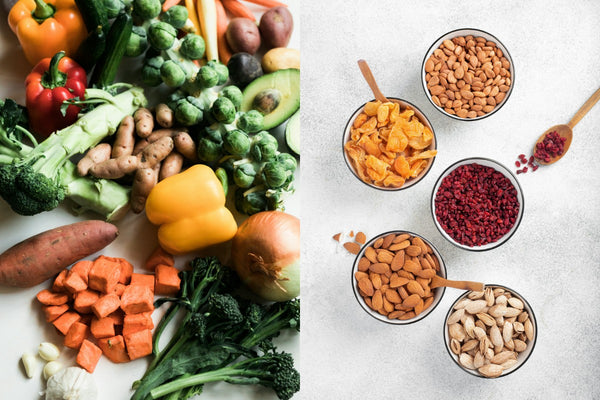
- Berries and dark fruit: blackberries, blueberries, blackcurrants and plums, frozen as much as fresh.
- Nuts, seeds and pulses: flax, chia and sesame all carry their own, alongside the fibre they're better known for.
Colour is a rough guide, and it's where the old advice to eat the rainbow comes from. It's imperfect, since olive oil and green tea are pale and dense, but it holds up in a supermarket.
Why Herbs and Spices Count for More
Herbs and spices are the best value on the list. The portions are tiny, a teaspoon here and a pinch there, and the density by weight is extremely high.
That's why they're conventionally counted as a quarter of a plant point each rather than a full one: small portions, concentrated contents.
The spice rack is the cheapest diversity in the kitchen, and most of us own more of it than we use.
What the Research Actually Says
Most of the human research on polyphenols is observational: eating more polyphenol rich foods is associated with better long term health outcomes, but the same people tend to eat more plants, more fibre and less ultra-processed food all at once.
Polyphenol content also varies enormously with growing conditions, ripeness, storage and cooking. Two apples of the same variety can differ substantially, and a long boil leaches a good deal out.
Which is a reason to spread your bets rather than chase a single food. Evidence increasingly supports variety itself as the thing worth acting on.
Simple Swaps for More Polyphenols
- Trade Up, Don't Add On. Red onion instead of white, red cabbage alongside the green, wholemeal instead of white, extra virgin olive oil instead of refined. Same shop, same cooking, more variety.
- Use the Spice Rack Properly. Cinnamon on porridge, oregano in a tomato sauce, turmeric and ginger in a soup. Our carrot, ginger and seed soup is built on exactly that.
- Keep Frozen Dark Fruit In. Frozen blackberries and blackcurrants are picked ripe, cheap all year and no worse for it.
- Pick the Higher Percentage. If you eat chocolate, 70% and above carries more cocoa solids. Our dark chocolate and seed squares use that properly.
- Finish Dishes With Seeds and Botanicals. Scatter SUCSEED Immunity, a cold-milled blend of 11 plants, over soups, stews and roasted vegetables. It takes seconds, and the botanicals in it are ones most kitchens don't stock.
Where to Start This Autumn
Autumn makes this easier than it sounds. The cooking moves towards soups, stews and roasted trays, all of which take spices well, and dark fruit keeps in the freezer from one month to the next.
So buy the red cabbage instead of the white, stew the last of the blackberries with an apple and open the back of the spice cupboard more often. If one target is easier to hold on to than a list, meeting the 30 plants a week challenge is a gentler place to start than anything that asks you to give something up.
Common Questions About Polyphenols
What Are Polyphenols?
Polyphenols are a large family of compounds made by plants, responsible for much of their colour, bitterness and astringency. There are many hundreds of them across dozens of chemical families, and they aren't interchangeable with each other.
Which Foods Are Highest in Polyphenols?
By weight, herbs and spices such as cloves, oregano and cinnamon are among the densest sources. Across a typical UK week, coffee, tea, extra virgin olive oil, dark chocolate, berries, nuts and seeds contribute the most, mostly because of how regularly they're eaten.
Does Cooking Destroy Polyphenols?
Some are lost, and how much depends on the method. Long boiling in plenty of water leaches more out than steaming, roasting or a quick stir-fry, and keeping the cooking water in a soup or sauce holds on to some of it.
Do Herbs and Spices Really Count as Plants?
They do, and they're conventionally counted as a quarter of a plant point each because the portions are so small. A few different herbs and spices through the week add usefully to your plant points total.
Is Coffee a Good Source of Polyphenols?
Coffee is one of the largest contributors in the average UK diet, largely through volume rather than density. The research is observational, so the sensible framing is that it counts towards your variety rather than that it needs to be drunk for that reason.