Fibremaxxing has put fibre back in the conversation, and that's no bad thing, because most of us are well short of what we're advised to eat. But the fix isn't more of the same fibre, it's a wider range of it, which is the easier job. No mountain of bran required!
The short version: fibremaxxing is the trend for pushing fibre intake as high as possible, and it gets the diagnosis right, because we are collectively short on fibre. It gets the prescription wrong, because there are many different fibres and variety does more for your gut than volume.
Every year hands us a new way to eat, and 2026 belongs to fibre. Searches for fibremaxxing have gone from a trickle to a flood in twelve months, and the premise is simple: fibre is good for us, so eat as much as possible.
Half of that is right.
What Is Fibremaxxing?
What exactly is fibremaxxing? It's the practice of treating fibre the way the gym world treats protein: a single number to drive as high as you can, usually with a tracking app and a scoop of fibre powder to close the gap.
In its gentler form it means building high fibre meals on purpose rather than by accident. In its louder form it means chasing a number well past the recommendation, with powders and talk of targets.
How Much Fibre Do We Need?
UK adults are advised to aim for 30g of fibre a day. According to the National Diet and Nutrition Survey the average intake sits at around 18g, so most of us are carrying a gap of roughly 12g.
That gap is the real story, and closing it doesn't take a reinvention of your diet. A bowl of porridge, a pear, a portion of beans with dinner and a spoonful of seeds across the day covers a lot of ground, which is the argument of our six easy ways to get more fibre into your diet.
So when fibremaxxing says we're short, it's telling the truth.
What Fibremaxxing Gets Right
- it treats fibre as something to add rather than something to cut
- it makes a quiet nutrient visible after years of talk about protein
- it gets people reading labels and noticing how little fibre most convenience food carries
Why Fibre Isn't One Substance
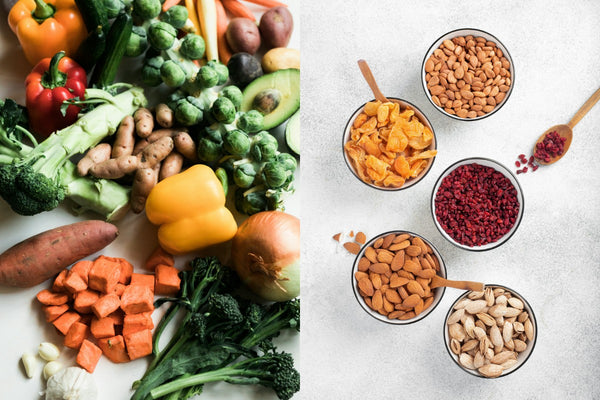
Here's the bit the trend skips: fibre is a category, not an ingredient. Different plants carry different fibres, and your gut bacteria don't all eat the same one.
- Inulin: in onions, leeks, garlic and asparagus.
- Beta-glucan: in oats and barley.
- Pectin: in apples, pears and citrus.
- Resistant starch: in cooked and cooled potatoes, rice and pasta, and in slightly green bananas.
Each feeds a different set of microbes. So, if you load up on one source, or on a single fibre supplement, you're feeding a narrow slice of a very large population. That's the mechanism behind why gut health matters, and it's why fibre diversity is a more useful target than a bigger number.
It's also why the plant diversity numbers keep coming up. The American Gut Project observed more diverse gut bacteria in people eating more than 30 different plant types a week than in those eating fewer than 10. It's an observation rather than proof, but it points the same way: range, not volume. Our guides to meeting the 30 plants a week challenge and what nutrition experts mean by food diversity cover the practical side.
Diversify Your Fibre, Not Your Total
- Rotate the Base. Oats on Monday, lentils or barley in a soup midweek, rye bread at the weekend. Same habit, three different fibres.
- Cook and Cool. Potatoes, rice and pasta cooked ahead and eaten cold or reheated carry more resistant starch than the same food hot from the pan. Potato salad counts.
- Build From the Allium Shelf. Onions, leeks and garlic are the cheapest inulin in the shop and taste delicious in almost everything savoury.
- Keep Fruit Skins On. The pectin in apples and pears sits largely in and under the skin, so don’t peel it off! Just remember to wash thoroughly first.
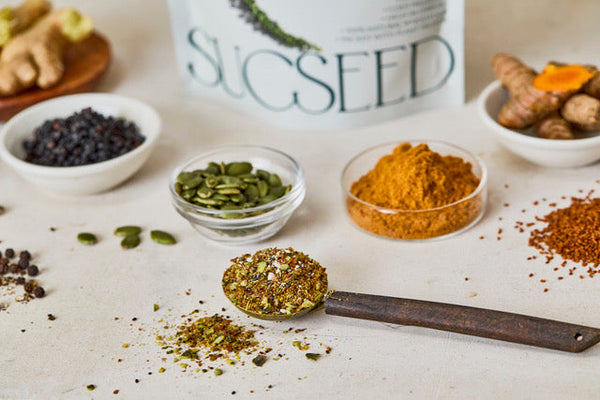
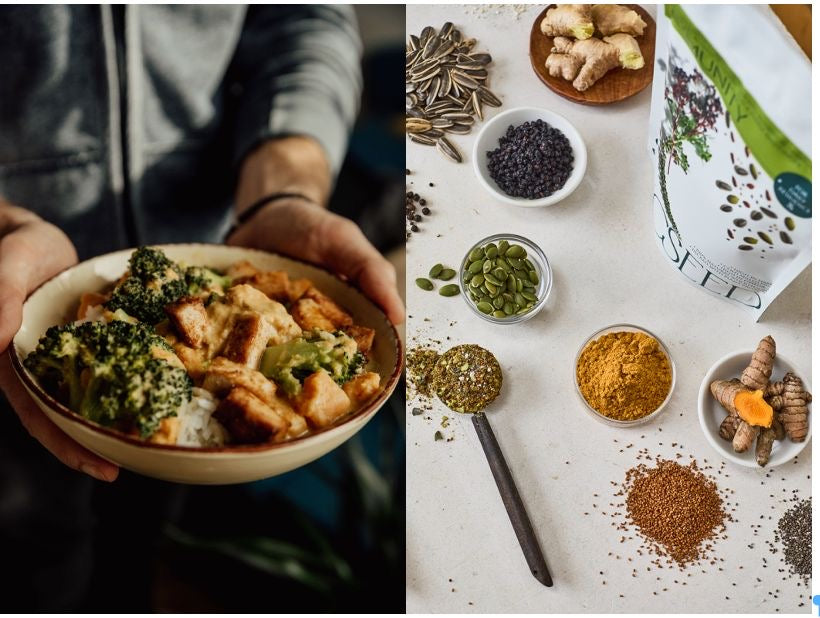
- Let Seeds Do the Easy Work. A spoonful of mixed seeds adds several different plants in seconds, which is much of why nutrition experts love seeds. Stir SUCSEED Gut Health into porridge, soup or yoghurt: it's a blend of 13 different plants, eight seeds and five botanicals, so that's 13 plants in about ten seconds.
Go Gradually, Not Overnight
One honest warning about fibremaxxing as practised: going from 18g to double that in a weekend is uncomfortable for most people. Bloating and wind are the normal response to a sudden change, not a sign you've done something wrong.
Your gut bacteria adjust to what you give them, and they need a few weeks to do it. Add one thing at a time, drink a bit more water alongside it and let it settle before the next. Consistent beats dramatic.
Diversity Over Volume
Fibremaxxing has done fibre a favour by making people care about it. Where it goes wrong is turning a varied, living system into a single score.
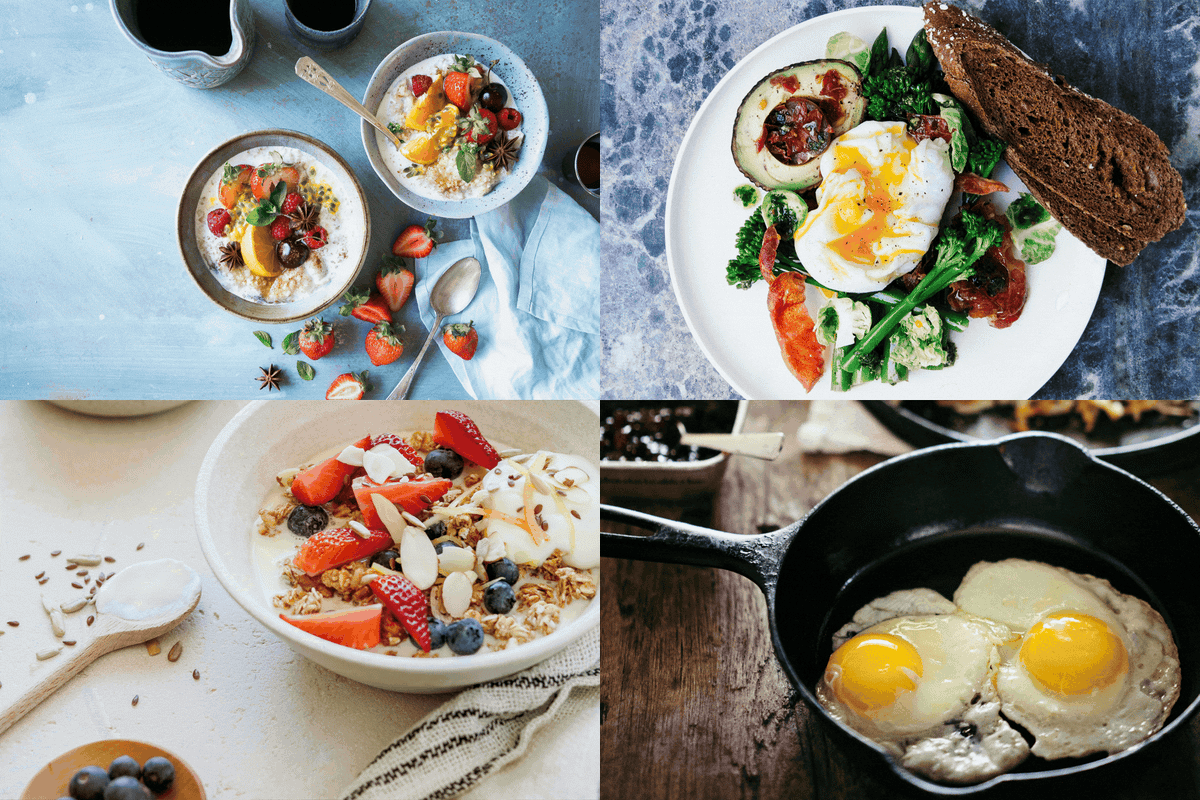
Thirty grams a day is the target, and thirty different plants a week is how you get there without thinking about it. Start with breakfast: our cinnamon spiced overnight oats are built for it.
Don't maximise your fibre. Diversify it.
Common Questions About Fibremaxxing
What Does Fibremaxxing Mean?
Fibremaxxing means deliberately pushing your daily fibre intake as high as possible, often well past the recommended level, and usually tracking it. The idea borrows its name and its logic from protein maxxing, where one nutrient becomes a single score to beat.
How Much Fibre Do I Need a Day?
UK adults are advised to aim for 30g of fibre a day, and the National Diet and Nutrition Survey puts the average at around 18g. Closing that 12g gap is a bigger win for most of us than chasing anything above 30g.
Is More Fibre Always Better?
Not necessarily, and not quickly. Aim for the recommended 30g a day to start with, and a fast increase is uncomfortable for most people, so a gradual build is the sensible route. If you manage well with that you can add more if you enjoy it.
What Is Fibre Diversity?
Fibre diversity means eating a range of different fibres rather than a lot of one. Inulin in onions and leeks, beta-glucan in oats, pectin in apples and resistant starch in cooled potatoes each feed a different set of gut bacteria, so variety reaches more of them.
What Are Easy High Fibre Meals?
Lentil or bean based soups, chilli with two or three pulses, porridge topped with seeds and fruit, and any traybake with onions, leeks and a wholegrain alongside. Each one brings several different fibres rather than a single large dose of one.